
Searching the Angier Court Docket
Angier itself runs no court portal, citation search, or online calendar. Every state citation or criminal matter from the town belongs to Harnett District Court. Its Clerk holds those records too. So begin at the North Carolina eCourts Portal. Smart Search takes a record number or a party name typed in Last, First order. Click any underlined case number to open the Register of Actions. The Portal also calls this the Case Summary. Hunting an Angier citation specifically? Choose Citation Number as an advanced search type. Set Location to Harnett for a tighter net.
- Enter the Angier party name or record number in Smart Search.
- Use Advanced Filter Options and Citation Number for an Angier citation.
- Choose Harnett to narrow results from the statewide Portal.
- Open the case number to read the Angier case Register, status, and hearing sections.
- Confirm an unclear Angier result with the Harnett Clerk.
Filters only work after you supply the basic criterion first. The portal caps any search at 200 results, so a common Angier name will bury the case you want unless you add detail. A blank result can mean three things: the record is restricted, your format is wrong, or no case was ever filed in the Harnett County court docket.
Angier Citation to Harnett Portal
The practical route runs in a straight line. Start with an Angier Police citation or a state charge. Move to Harnett District Court and the Clerk. Then end at the Portal Register of Actions. The town name printed on a citation does not mean a separate Angier docket database exists. Portal serves as both the statewide and the Harnett entry point. That is because Harnett was an Odyssey pilot county. The Harnett Clerk describes public Portal access as available without registration for public information. Registration mainly helps with saved cases rather than restricted material.
For an Angier docket search, the advanced options accept several fields. These include a citation number, case number, name, case type, case status, and location. Do not invent a local citation format. Type the number exactly as printed on the Angier citation. Pick Harnett when a location filter helps. Open the case itself instead of trusting a results list alone.
Angier Municipal Court Basics
No Angier Municipal Court appears in the official town police material. The city page lists Police and Town Hall at 55 N. Broad Street West, Angier, NC 27501. Yet it establishes no court docket, no calendar, no court clerk, and no municipal appeal route. An Angier police office may keep an agency-created record of its own. What it never holds is the judicial Register of Actions for a state court case.
The court side is countywide. Harnett District Court handles traffic, infractions, misdemeanors, family cases, and other matters within its jurisdiction. Superior Court takes felonies and major civil trial work. The Harnett Clerk of Superior Court is the unified record keeper for both. When an Angier result comes up, check its case type and status first. Then follow the District or Superior path the Portal identifies.
Angier Police Department information documents the city police channel. 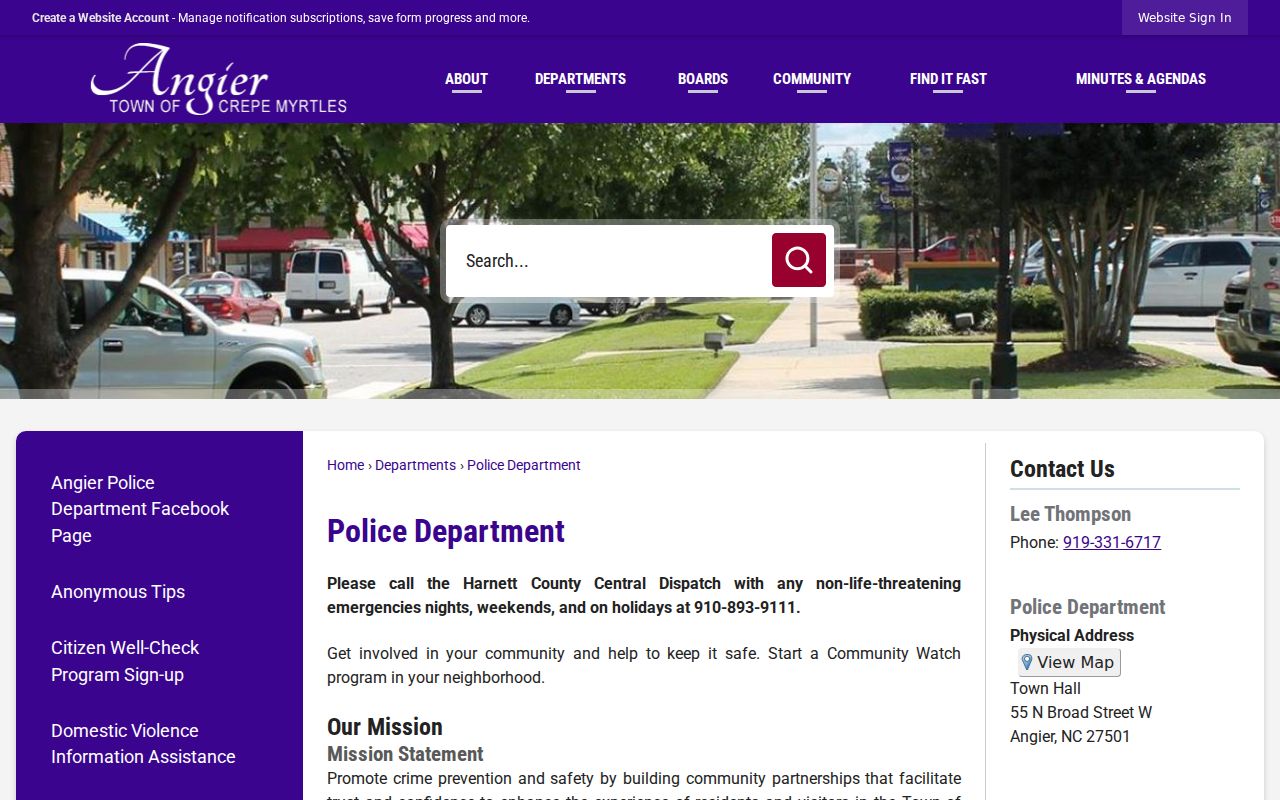 The source supports the distinction between an Angier issuing agency and the Harnett court custodian.
Angier Police and Court Custodians
Angier Police and the Harnett Clerk answer two different record questions. Turn to the city agency when you need an Angier police-generated report. The same office can tell you who issued a citation. The Harnett Clerk is the right office for court material. That means the Angier case Register, a court hearing date, a filed court document, a disposition, or a certified copy. A police address never turns into a court counter. An Angier incident producing a citation does not change that.
| Angier record | Custodian | Best route |
|---|---|---|
| Police-created report | Angier Police | Use the city agency channel. |
| State court case and Register | Harnett Clerk | Portal, Clerk, or courthouse access. |
| Certified court copy | Harnett Clerk | Request through the clerk, not Town Hall. |
One traffic stop can spawn three separate paper trails in Angier. The citation, the incident report, and the court docket entry may all trace back to the same event yet sit with different offices.
Court Dates and Settings in Angier
For an Angier court date, start with Portal Search Hearings. Pick a search type first. Then choose the Harnett location. Add the courtroom or hearing type when the form asks for it. A date range is required every time. A case-number search needs the exact record number. A party search takes a last and first name. The Harnett schedule page posts calendar streams for District and Superior Court. But the calendar stream is no substitute for the hearing record on your own case.
An Angier setting might be an administrative matter, a disposition session, or a trial session. It could also be another hearing type on the list. A date on a calendar does not settle anything by itself. It is not a final result. Check the Portal hearing row, the Register status, and any entered order side by side. If those pieces disagree, call the clerk of court before the Angier court date arrives.
| Record number | Exact Portal locator for the Angier court case. |
|---|---|
| Location | Set to Harnett when narrowing the hearing search. |
| Courtroom | A selected filter for a focused court-date search. |
| Hearing type | The court event selected in Search Hearings. |
| Date range | Required start and end dates for a Portal hearing query. |
Angier 150-Citation Court Context
Some quick context on Angier traffic volume. The 2020 Census put the town's population at 5,265. A December 2025 official Angier agenda packet reported 150 traffic citations that month. They covered 204 charges. Read those numbers as police activity only. They are not a court filing count for Angier. Nor are they an annual caseload for the Harnett County court docket or a tally of outcomes. Filings arrive on their own schedule. Cases can resolve through very different procedures.
Keep the 150-citation and 204-charge figures tied to the Angier police activity report. They say nothing about how many Angier cases actually entered Harnett District Court. They do not show how many were heard or how each one ended. One citation can carry several charges. Whether you can waive a hearing, pay it off, contest it, or get a later setting depends on the individual court case. A case-specific Portal search is the right next step for any Harnett County court docket question.
Angier Census QuickFacts provides the population series. 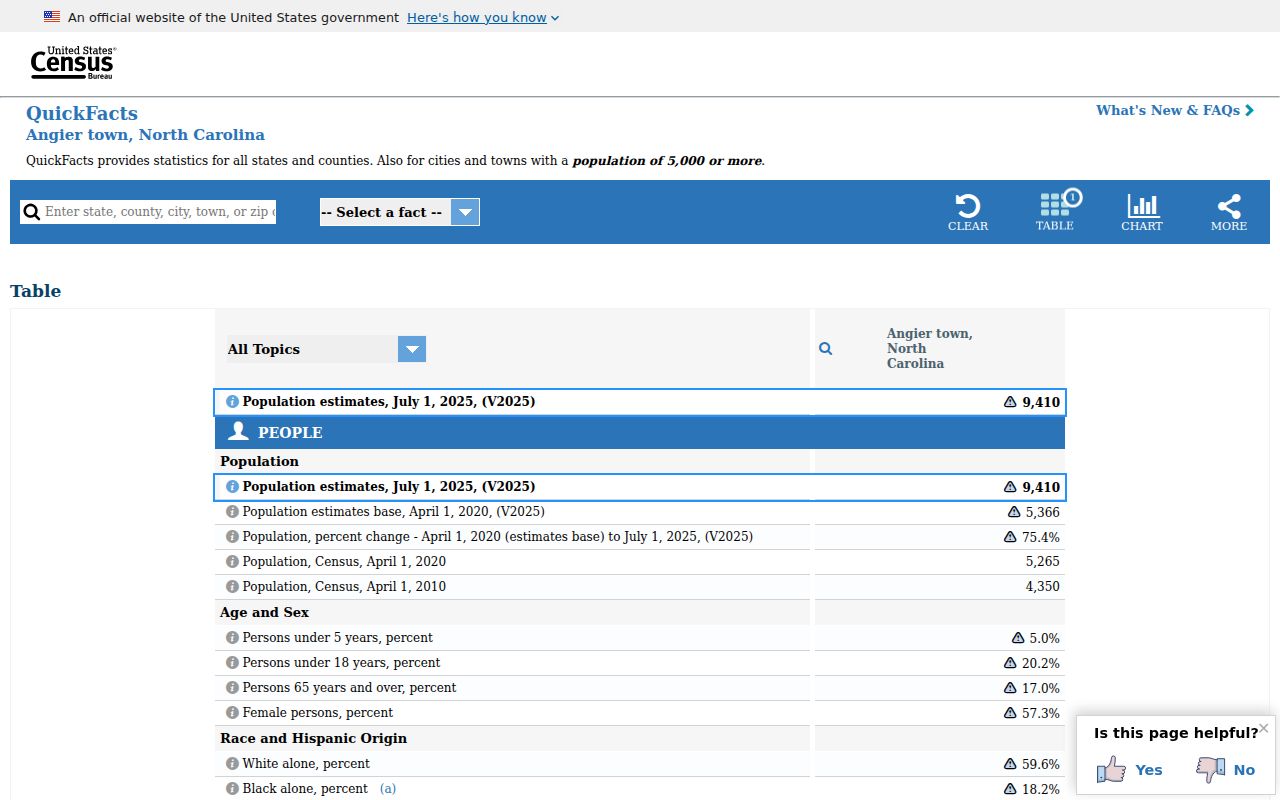 Population and police activity provide context but do not substitute for a case-specific Angier docket search.
Traffic Tickets in Angier
A traffic ticket written in Angier does not go to a city Municipal Court. It belongs to the Harnett court system. Plug the citation number into Portal's advanced search. Or start with a party name and then narrow the results to the Harnett location. Search Hearings is the tool that tracks the court date. Some minor Angier offenses can be waived. That means the ticket itself may permit payment before the date arrives. Where that option applies, the citation says so. The Portal financial section or the Clerk can confirm what your specific case allows.
Paying does not turn the matter into a city record. If the charge is not waived, the court setting still controls. The same goes if you plan to contest it. Rely on the issued citation, the current Register, and hearing information together. A police report is no substitute for the court record. Nor is a call to Town Hall.
Angier Courtroom Hearing Search
Search Hearings on Portal works differently from a general Smart Search. It is built for a courtroom lookup. An Angier court-date search can be filtered by courtroom, hearing type, party, case number, judicial officer, or a date range. The state guide recommends picking the specific courtroom before you run the search. A returned list may be sortable, but the courtroom clerk assigned that day decides how cases are actually called.
- Hearing
- A scheduled Angier court event shown when the case has hearing data.
- Pending
- A status showing the Angier case remains unresolved.
- Stayed
- A paused case; check the Register and an order before assuming the next hearing is canceled.
- Appealed
- A status showing an appeal event or path, not disappearance of the original file.
Keep in mind that these terms are Harnett court labels attached to the Angier case. They do not describe an Angier police report.
Where Angier Cases Go
An Angier police citation or state charge assigned in Harnett moves forward in Harnett District Court, with the Harnett Clerk keeping the file. Portal then opens the public Register of Actions and hearing information for that case. Something more serious, along with civil matters and appeals, can continue in Superior Court or through a designated appeal path. The city name only tells you where the event happened. The case number and court assignment tell you where the judicial record lives.
Docket flow: Angier Police citation or state charge › Harnett District Court and Clerk › Portal Register of Actions › District or Superior Court path as applicable.
When Portal shows Trial De Novo, Transferred to Superior Court, or Appealed, the Angier matter has moved onto a broader court path. There is no separate Angier appeal docket run by the city. Check the current case status and court assignment before assuming where the case is being heard.
Angier Portal Search Limits
A Portal result is a public access view. It is not a promise that every Angier court item is online. Sealed or confidential records, sensitive documents, juvenile matters, and certain protective-order information all sit outside ordinary public access. Portal also masks the month and day of birth in public results. So a missing Angier case could mean a restriction, a formatting problem, the wrong county, no case at all, or simply a record that is not public.
After a Portal no-result, there is no Angier city court interface to try next. First recheck the citation number, the name format, and the Harnett location. Then ask the Harnett Clerk about the court-file route. Angier Police and Town Hall can handle a city-agency question, but neither holds a hidden municipal docket, court calendar, or alternate judicial search channel.
North Carolina's eCourts expansion information places Harnett's Portal access in the statewide Odyssey transition. 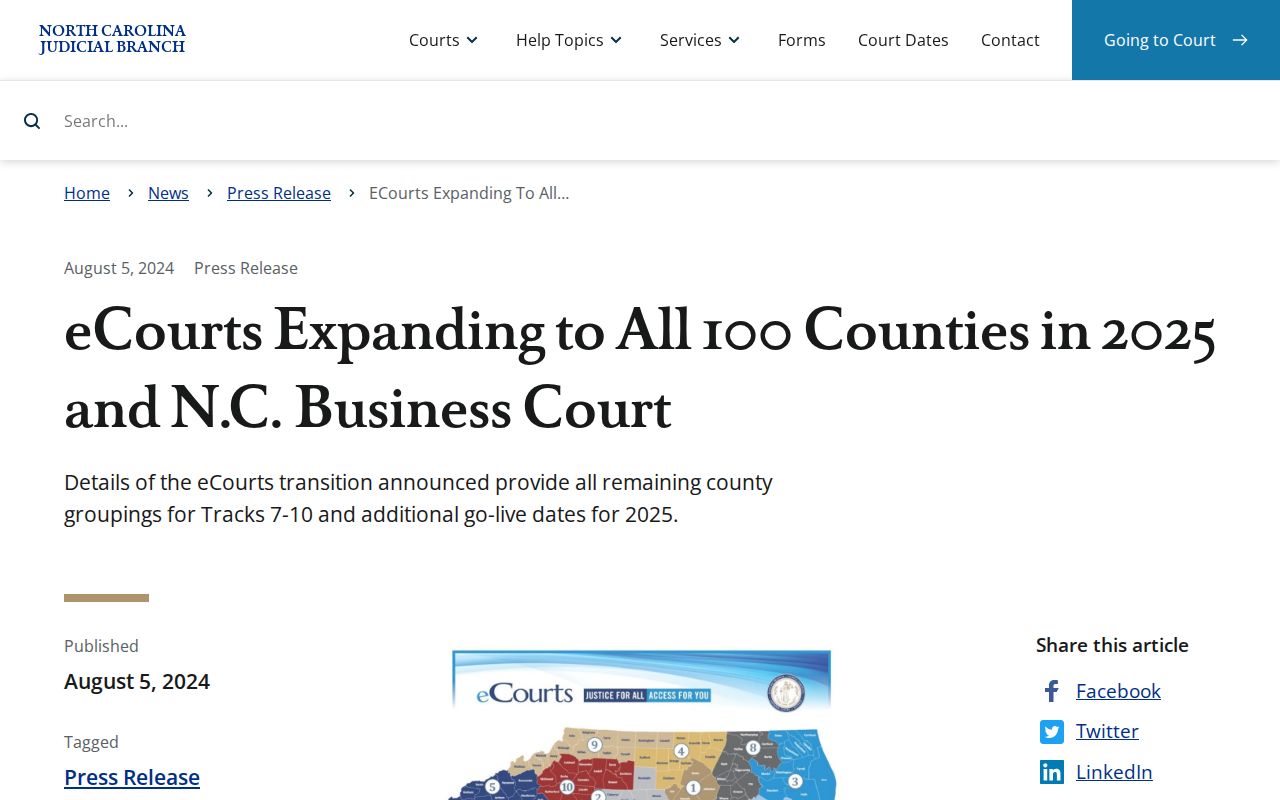 The statewide platform does not create a separate Angier public court portal or open restricted records.
Angier Court Record Access Rules
Angier court records live inside the Harnett Clerk system. Under G.S. 7A-109, clerk records are generally open to public inspection unless a legal restriction applies. Portal handles the public online material well. For filed documents that are not online, older files, or a certified copy, go to the Harnett Clerk at 301 W. Cornelius Harnett Boulevard, Suite 100, Lillington, NC 27546, or call 910-814-4600. The clerk keeps the judicial file. Angier Town Hall does not.
Key Rules:
G.S. 7A-109 addresses public inspection of clerk records.
G.S. 7B-3000 limits public access to juvenile court records.
G.S. 15A-151 makes expunged records confidential.
G.S. 132-1 states the wider North Carolina public-record policy.
Clerk-prepared copies, certification, and online viewing are three different forms of access. A city request for an Angier police record never replaces a court-file request for the Angier case.
Angier Traffic Disposition Setting
Harnett Administrative Traffic Court, known locally as Disposition Court, is the traffic setting for Angier cases assigned there. Sessions run at the Harnett County Courthouse from 9:00 a.m. to 4:00 p.m. on the scheduled date. No officer attends, because this session is not the contested trial. To plead not guilty and seek a trial on an Angier citation, the person or counsel must appear and obtain a later date when the officer is scheduled.
Miss the setting and the court may mark the case called-and-failed. The court record, current hearing information, and the Harnett Clerk are the sound places to check the next step. Town Hall is neither the hearing location nor the record keeper for this process.